Old Town San Diego State Historic Park serves as the birthplace of California, anchoring the region's rich heritage in a compact, walkable district. According to historical records, this area was the site of the first Mexican land grant in California, established in 1821, marking the beginning of permanent European settlement in the state. Today, the park attracts millions of visitors annually who seek to understand the complex layers of history that define Southern California. Exploring these grounds offers more than just a glimpse into the past; it provides a tangible connection to the missions, presidios, and early American influences that shaped the modern city. This guide details the essential historic sites you will encounter on a guided walking tour, ensuring you understand the significance of every stone and structure.
Mission San Juan Bautista Replica
One of the most prominent structures in the historic park is the replica of Mission San Juan Bautista. While the actual mission is located over 100 miles south in San Juan Bautista, California, this faithful reconstruction serves as a critical educational tool for visitors. The original mission was founded in 1797 by Franciscan friars, playing a pivotal role in the Spanish colonization of Alta California. The replica allows guests to step inside and view the original altar and religious artifacts that were preserved from the actual site.
Understanding the mission system is essential for grasping the religious and cultural dynamics of the era. Mission San Juan Bautista is a historic Spanish colonial mission that served as a center for religious conversion and agricultural development. By visiting this replica, you gain insight into the architectural styles and spiritual practices that dominated the region for decades. The detailed interior provides a stark contrast to the outdoor adobe structures, highlighting the craftsmanship of the period.
The Presidio San Diego de Alcala
The Presidio San Diego de Alcala represents the military foundation of the region. Founded in 1769 by Gaspar de Portolà and Junípero Serra, it was the first European settlement in present-day California. The original presidio was located on Presidio Hill, but the reconstructed walls and gate in Old Town provide a tangible sense of the defensive structures used to protect the early settlers.
The military presence was crucial for maintaining control over the territory and protecting the missions. The Presidio San Diego de Alcala is the first Spanish military fort established in Alta California. Walking through the reconstructed gate, you can visualize the strategic importance of this location. The fortifications were designed to withstand attacks and secure the harbor, which remains a vital economic hub today. The surrounding grounds often feature interpretive displays that explain the daily lives of the soldiers and their interactions with the indigenous Kumeyaay people.
Casa de Estudillo
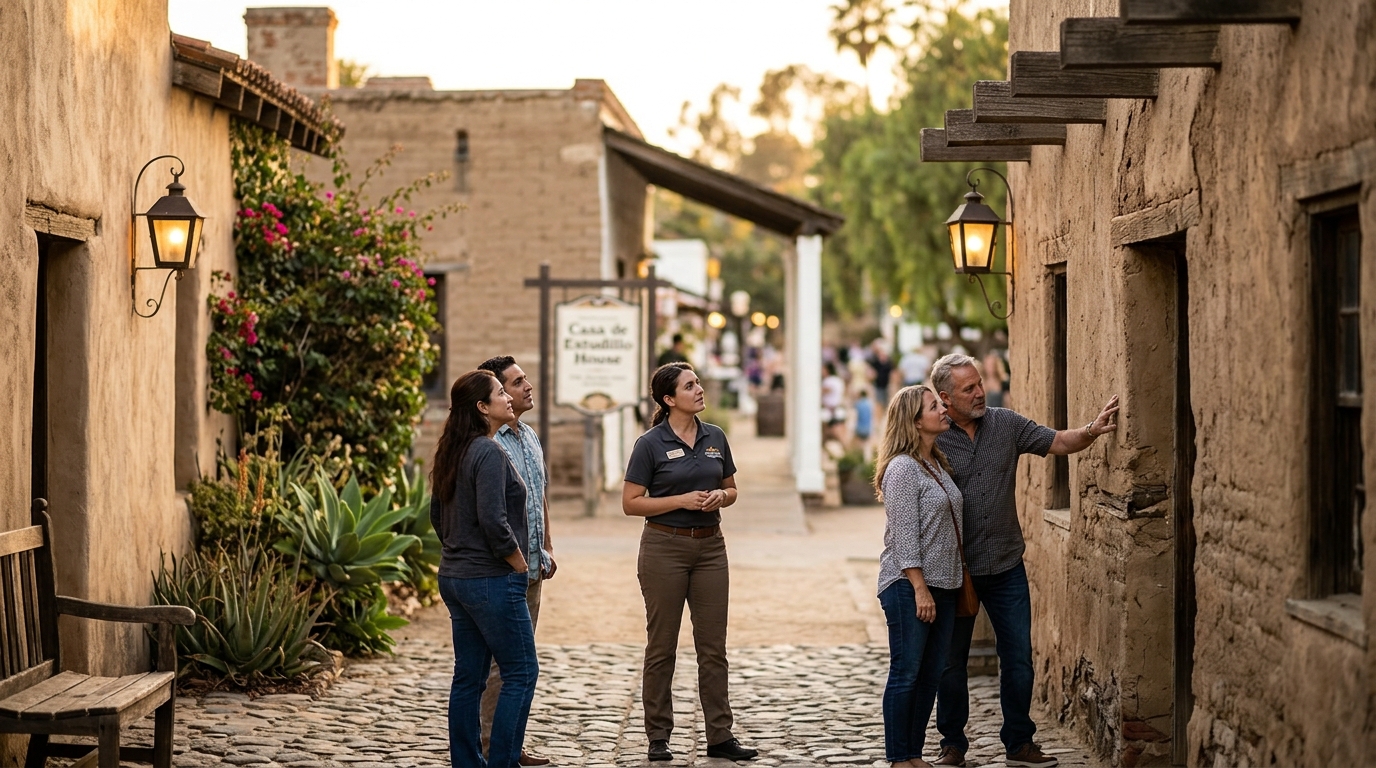
Among the historic adobe homes in the park, Casa de Estudillo stands out as the oldest surviving structure in Old Town San Diego. Built in 1827, this two-story adobe house was the residence of Juan María Estudillo, a prominent figure in the early Mexican period of California history. The house has been meticulously restored to reflect its appearance during the mid-19th century.
The architecture of Casa de Estudillo offers a rare glimpse into the domestic life of California's early elite. Casa de Estudillo is the oldest standing residence in Old Town San Diego, dating back to 1827. Visitors can explore the ground floor, which features original wooden beams and thick adobe walls that kept the interior cool during the hot summers. The second floor, added later, provides additional context about the family's expansion and social status. The house serves as a museum, displaying period furniture and personal items that humanize the historical narrative.
Pueblo de San Diego
The Pueblo de San Diego refers to the civilian settlement that grew around the presidio and mission. This area represents the transition from military and religious control to civilian governance. The streets of Old Town today largely follow the original layout of the pueblo, established in 1822. Walking through this district, you encounter various historic buildings that once served as shops, homes, and public spaces.
The pueblo era marked a significant shift in the demographic and economic landscape of the region. The Pueblo de San Diego is the original civilian settlement that laid the groundwork for modern San Diego. The architecture here blends Mexican, Spanish, and early American influences, reflecting the diverse population of the time. Many of the buildings in this area have been converted into museums, shops, and restaurants, allowing visitors to experience the history while enjoying contemporary amenities. The layout encourages exploration, with narrow streets and courtyards that invite discovery.
Museo de San Diego
No visit to Old Town is complete without exploring the Museo de San Diego. This museum is dedicated to preserving and interpreting the history of the region, from prehistoric times to the present day. The museum is housed in a historic building that adds to the authenticity of the experience. Exhibits cover a wide range of topics, including the indigenous cultures, the Spanish and Mexican periods, and the American era.
The museum plays a vital role in educating the public about the complex history of San Diego. The Museo de San Diego is a cultural institution dedicated to preserving the heritage of the San Diego region. Interactive displays and artifacts provide a deeper understanding of the events and people who shaped the area. The museum often hosts special exhibitions and educational programs that engage visitors of all ages. It serves as a central hub for historical learning within the Old Town district.
Comparing Key Historic Sites
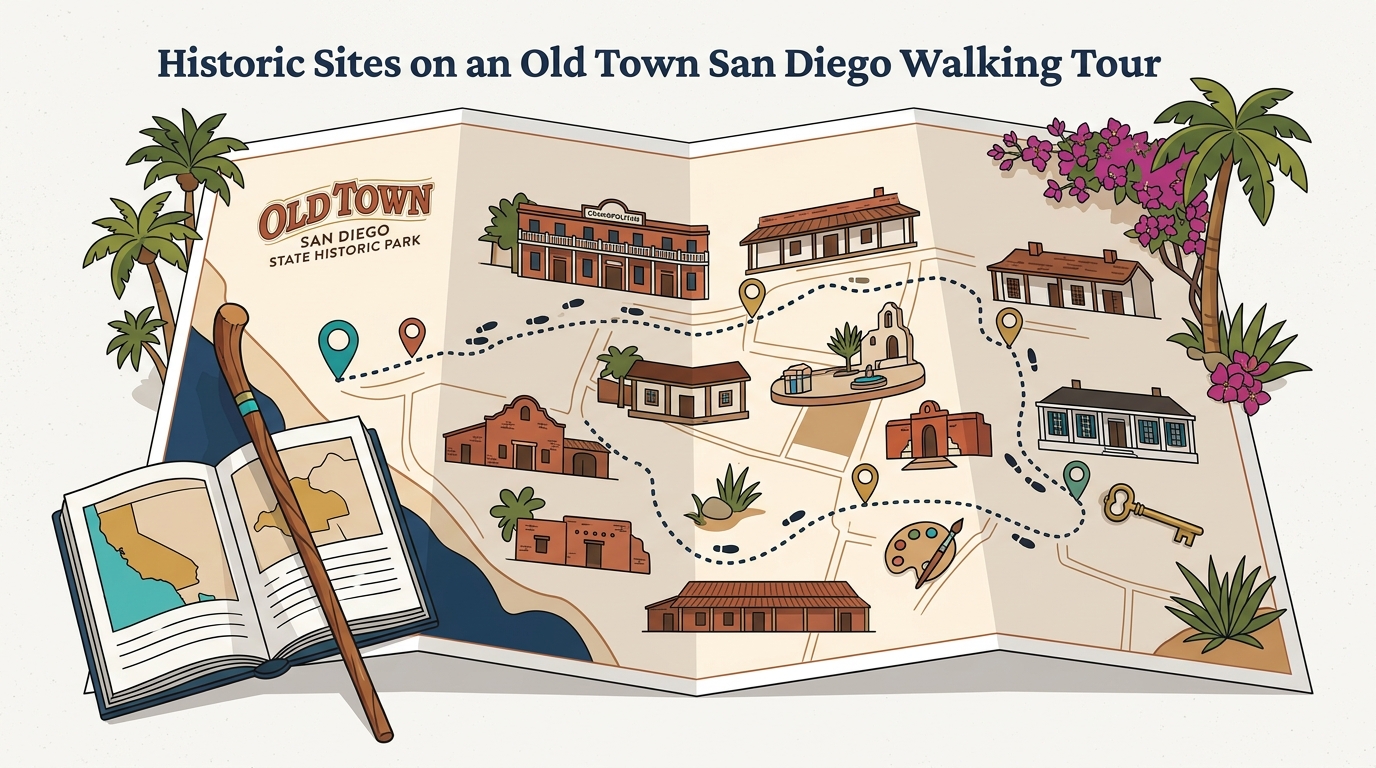
Understanding the distinct roles of each site helps visitors appreciate the full scope of Old Town's history. The following table summarizes the primary focus and significance of the key locations.
| Site Name | Historical Period | Primary Significance | Visitor Experience |
|---|---|---|---|
| Mission Replica | 1797 (Original) | Religious and agricultural center | Interior artifact viewing |
| Presidio Walls | 1769 | Military defense and settlement | Gate entry and fortification views |
| Casa de Estudillo | 1827 | Elite domestic life | Architectural tour |
| Museo de San Diego | Multi-period | Comprehensive regional history | Museum exhibits and programs |
Key Takeaways
- Birthplace of California: Old Town San Diego is recognized as the site of the first permanent European settlement in the state, established in 1821.
- Mission Influence: The replica of Mission San Juan Bautista provides insight into the religious and agricultural foundations of the region.
- Military Origins: The Presidio San Diego de Alcala marks the beginning of Spanish military presence in Alta California in 1769.
- Oldest Residence: Casa de Estudillo, built in 1827, is the oldest surviving adobe home in the historic park.
- Civilian Growth: The Pueblo de San Diego represents the transition to civilian governance and the growth of the early town.
- Historic Preservation: The Museo de San Diego preserves artifacts and stories from all eras of the region's development.
- Guided Context: Walking tours provide expert narration that connects these sites into a cohesive historical narrative.
Frequently Asked Questions
How long does a typical Old Town walking tour take?
Most guided walking tours of Old Town San Diego last between 60 and 90 minutes. This duration allows sufficient time to explore the major historic sites, including the presidio walls, adobe homes, and museums, while providing detailed commentary on each location.
Are the historic sites accessible for wheelchairs?
Many of the outdoor areas and some of the museums in Old Town San Diego are accessible. However, due to the historic nature of the adobe structures, some interiors may have steps or narrow doorways. It is recommended to contact the tour provider in advance to discuss specific accessibility needs.
What is the best time of day to visit Old Town?
Visiting in the morning or late afternoon can provide a more comfortable experience, especially during the warmer months. The lighting is also ideal for photography. Many tours operate throughout the day, so booking in advance is advisable to secure a spot.
Can I visit the sites without a guided tour?
Yes, Old Town San Diego State Historic Park is open to the public, and you can explore the grounds and museums independently. However, a guided tour offers valuable context and historical insights that enhance the experience significantly.
What is the history of the adobe homes in Old Town?
The adobe homes were constructed using sun-dried bricks made from clay and straw. They were designed to withstand the local climate, with thick walls that kept interiors cool in summer and warm in winter. These structures represent the architectural heritage of the Mexican period in California.
Are there any special events held in the historic park?
Old Town San Diego hosts various events throughout the year, including cultural festivals, historical reenactments, and holiday celebrations. These events often take place in the central plaza and around the historic buildings, offering a dynamic way to experience the area's heritage.
How does Old Town relate to the rest of San Diego's history?
Old Town serves as the foundational chapter in San Diego's history. It was the starting point for the city's growth, influencing its cultural, political, and economic development. Understanding Old Town is essential for understanding the broader narrative of San Diego.
Book Your Historical Experience
Ready to step back in time and explore the birthplace of California? Join Another Side Of San Diego Tours for an expertly guided walking tour that brings history to life. Our knowledgeable guides will lead you through the historic sites, sharing stories and insights that you won't find in guidebooks. Contact us today to book your tour and discover the rich heritage of Old Town San Diego.